by Nellie Curtiss …
My eyes were drawn to the headline: Why Laughter Makes Classroom Management More Effective (https://www.smartclassroommanagement.com/2011/01/29/effective-classroom-management-and-laughter/ )
The author, Michael Linsin, is a 30-year veteran teacher with all the grade levels under his thinking cap. He started Smart Classroom management in 2009 with a newsletter to help other teachers.
Although his wise words and crack-ups were intentionally designed for the elementary and secondary classrooms, as a retired college professor, I experienced humor in the classroom as a secondary student, a college undergrad, and as the soul at the head of my English, Literature, Humanities and Speech courses.
Linsin says that a well-placed joke can bring a class together. I experienced this as I tried to reduce first time speeches, or introductions before students share their essays. One assignment for students was to pull three objects out of a bag that represent his or her life: past, present, future. Some speeches were dry and others funny. One student was a student janitor and so used a plunger to represent his current situation. Another student used a horseshoe as she was a veterinarian technician.
A joke from an “elementarian”: What’s the difference between a teacher and a train? A teacher says, “Spit out that gum!” and a train says, “Chew! Chew!” This joke garnered a slew of ohhh’s and ahhh’s for Ms. Ramsey, I bet.
Two authors in last year’s Inside Higher Ed journal reported on fun in college learning. “Having fun in the classroom or online learning environment also has implications for the learning process. Student engagement is higher when classes are enjoyable, and the learning process itself is improved. Fun experiences are less difficult for the mind to process — they carry a lower cognitive load. Greater levels of cognitive load are equated with decreased learning due to processing demands; it appears the reduced cognitive load associated with fun activities in fact leads to increased levels of learning. Similarly, a meta-analysis of 32 studies examining the impact of computer games or interactive simulations found not only better learning but also better attitudes toward learning.” (https://www.insidehighered.com/advice/2021/03/10/importance-injecting-fun-and-humor-classes-opinion)
The duo gives five recommendations for college classes, virtual or in person: use humor, gamify learning, engage social opportunities, model playfulness and don’t take everything too serious. “If students have fun in higher education, it will benefit their education by means of motivation, well-being and improved learning. And they may also even take this ludic (play) mind-set to the workplace and transform our professional culture into a more engaging, collaborative, enjoyable space, as well.”
And so, here is a soon-to-be-in-college joke: “My dad told me that colleges are cracking down on ghost-written essays? I asked, What about mummy-written essays?”
In 2015, Stephen Colbert addressed a graduating class; “It’s a pleasure to be addressing the Wake Forest graduating class of 2015. I want to start by thanking the administration and the trustees for inviting me to speak. I want to thank them for giving me an honorary doctorate of humanities. I’m a huge fan of humans.” (https://www.pbs.org/newshour/show/stephen-colbert-tim-cook-george-w-bush-crack-jokes-college-graduations)
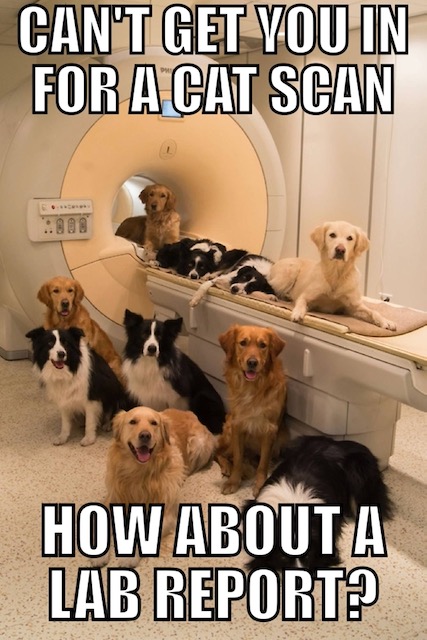
Humor and fun in learning can make all the difference.
Nelda Curtiss is a retired college educator and long-time local columnist. Reach her http://www.columnsbynellie.com or email her at columnsbynellie@gmail.com
 Columns by nellie